Source Desktop LCD Glue Dispensing Machine for Electronics, Medical, and Automotive
Compare 27 desktop LCD glue dispensing machines from verified Chinese suppliers. Evaluate options based on working space, automation grade, and precision to find the right solution for your production needs.
Key considerations
Products List


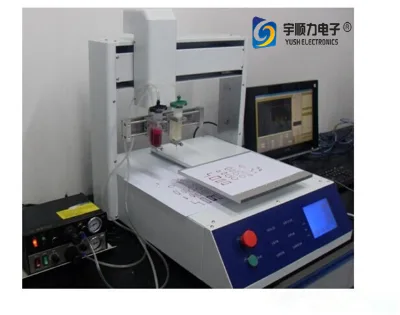


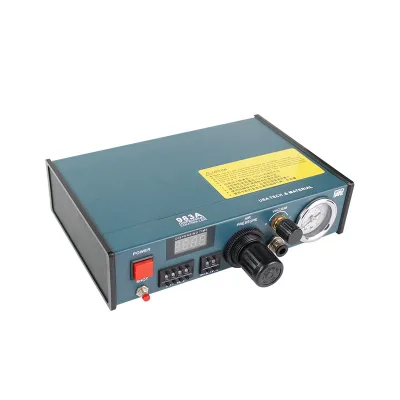


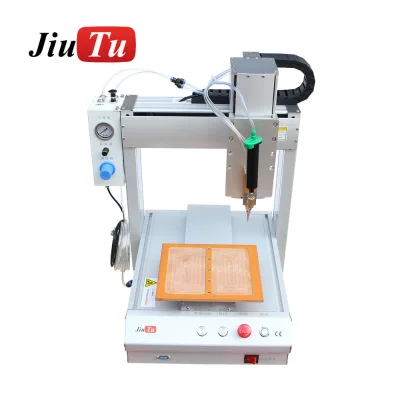
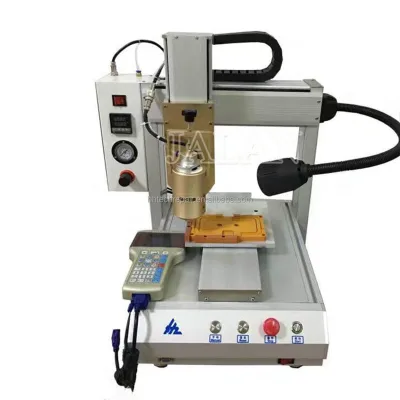

Comprehensive Sourcing Guide
Desktop LCD Glue Dispensing Machine Sourcing Guide
Selecting the right desktop LCD glue dispensing machine requires a careful balance of precision, automation level, and compatibility with your specific adhesive materials. These machines are essential for applications involving the precise application of adhesives, sealants, or potting compounds onto small to medium-sized components, such as LCD panels, circuit boards, and electronic housings. The desktop form factor offers a compact footprint suitable for assembly lines with limited floor space, while still providing the stability and accuracy needed for high-yield manufacturing. Buyers must evaluate whether a fully automatic or semiautomatic system best fits their production volume and labor constraints.
The procurement process involves navigating a wide range of specifications, from working space dimensions to dispensing cylinder capacities. Observed market listings indicate a significant variance in pricing, ranging from approximately $31 to $40,000, which often correlates with the complexity of the motion control system, the type of glue pump, and the level of customization available. Understanding these variables is crucial for defining a realistic budget and ensuring that the selected machine meets the technical requirements of your production environment without overpaying for unnecessary features.
Product Scope and Observed Listing Signals
The market for desktop dispensing machines includes a variety of configurations, primarily distinguished by their automation grade and installation type. Listings frequently highlight "Automatic" or "Semiautomatic" grades, with installation options ranging from desktop to vertical setups. The working space is a critical dimension, with common observed standards including 300300100mm and 30030060mm, which dictate the maximum size of the component that can be processed. Buyers should verify these dimensions against their largest product to ensure adequate clearance and accessibility for the dispensing head.
Another key signal is the type of driven mechanism and the specific dispensing components used. Most observed units are electrically driven, ensuring consistent and repeatable motion control. The dispensing system often supports various cylinder sizes, such as 30ml, 50ml, 300ml, or even larger 50kg options, depending on the viscosity and volume requirements of the adhesive. Additionally, the movable graphics track typically supports point, line, arc, circle, and curve movements, allowing for complex dispensing patterns. It is important to confirm that the machine’s software and hardware can handle the specific pathing requirements of your LCD assembly process.
Technical Specifications to Verify
When evaluating technical specifications, the precision of the motion system and the compatibility of the glue pump are paramount. High precision is a standard expectation for LCD applications, where misalignment can lead to product failure. Buyers should verify the accuracy of the X, Y, and Z axes, noting that some listings specify mobile categories like X/Y1/Y2/Z, which may indicate dual Y-axis configurations for enhanced stability or speed. The communication method, often USB and RS232, should be compatible with your existing factory automation systems or PC-based control software to ensure seamless integration and data logging.
The physical dimensions and weight of the machine also impact installation and workflow. Observed dimensions vary, with some units measuring around 485505610mm and others up to 807885cm, while weights can reach 70kg or more. These factors influence the need for reinforced workbenches or specialized mounting solutions. Furthermore, the voltage and power consumption, such as 250W, should be checked against your facility’s electrical infrastructure. The core components, typically including the motor, should be of high quality to ensure long-term reliability and minimal maintenance downtime.
Compliance and Safety Documentation
Compliance with international safety and environmental standards is a non-negotiable aspect of sourcing industrial equipment. Many observed listings include certifications such as CE, ISO, and RoHS, which indicate adherence to European safety directives and restrictions on hazardous substances. For buyers operating in or exporting to markets with strict regulatory environments, verifying the validity of these certifications is essential. Some listings may also include additional certifications like FDA, CCC, or PSE, which are relevant for specific regional markets or food-contact applications, though these are less common for general LCD dispensing.
Beyond certifications, documentation regarding the machine’s operational safety and environmental conditions should be reviewed. The working relative humidity is often specified as 20~90% with no condensation, which informs where the machine can be safely installed within your facility. Buyers should also inquire about the availability of video outgoing inspections, which provide visual proof of the machine’s condition and functionality before shipment. This step is crucial for mitigating the risk of receiving defective or non-compliant equipment, especially when sourcing from international suppliers.
Cost Drivers and Commercial Terms
The cost of a desktop LCD glue dispensing machine is influenced by several factors, including the level of customization, the brand name, and the complexity of the dispensing system. Customization is frequently available, allowing buyers to tailor the machine to specific adhesive types or production needs, but this often comes at a premium. The brand name, such as YUSH, may also affect pricing, with established brands potentially commanding higher prices due to perceived reliability and after-sales support. Buyers should request detailed quotes that break down the cost of the base machine, any custom modifications, and optional accessories like additional dispensing heads.
Commercial terms, including warranty and packaging, also play a significant role in the total cost of ownership. A standard warranty of 12 months or 1 year is commonly offered, covering core components like the motor. Buyers should clarify what is included in the warranty, such as labor and shipping costs for repairs. Packaging is typically done in wooden cases, boxes, or poly-wood cases to protect the machine during transit. Understanding these terms helps in calculating the total landed cost and assessing the long-term financial risk associated with equipment failure.
Supplier Qualification and Quality Control
Supplier qualification is critical to ensuring that the purchased machine meets the specified technical and quality standards. Buyers should verify the supplier’s place of origin, with many listings indicating origins in Shenzhen, Guangdong, or Jiangsu, China, which are known manufacturing hubs for such equipment. It is advisable to request evidence of the supplier’s manufacturing capabilities, such as factory audits or video tours, to confirm their ability to produce high-quality machines. Additionally, checking for certifications like ISO 9001, even if not explicitly listed in every product detail, can provide insight into the supplier’s quality management processes.
Quality control measures should be established before production begins. Buyers should insist on pre-shipment inspections, which may include video outgoing inspections as mentioned in some listings. These inspections should verify the machine’s functionality, precision, and compliance with the agreed-upon specifications. It is also important to discuss the supplier’s policy on handling defects or non-conformities after delivery. Establishing a clear communication channel and a dispute resolution process can help mitigate risks and ensure a smooth procurement experience.
Long-Term Procurement Checks
Long-term procurement success depends on the availability of spare parts and technical support. Buyers should inquire about the lead times for replacing core components like motors or dispensing needles, as well as the availability of consumables such as dispensing cylinders and needles. A reliable supplier should have a robust supply chain for these items to minimize downtime in your production line. Additionally, access to software updates and technical documentation is essential for maintaining the machine’s performance over time.
Finally, buyers should consider the scalability and flexibility of the machine for future production needs. As product designs evolve, the ability to customize the dispensing path or change the glue pump configuration can extend the machine’s useful life. Regular maintenance checks and performance evaluations should be scheduled to ensure the machine continues to operate within its specified precision and reliability parameters. By planning for these long-term needs, buyers can maximize the return on investment and maintain high-quality production standards.
FAQs
What is the working space of a desktop lcd glue dispensing machine?
The working space is typically 300*300*100mm or 300*300*60mm depending on the specific model. This compact area allows for precise dispensing on small to medium-sized LCD panels. The machine operates in point, line, arc, circle, and curve modes to accommodate various pattern requirements.
Can the desktop lcd glue dispensing machine be customized?
Yes, customization is available for these machines. Buyers can request specific dispensing heads, such as one or more heads, to suit their production needs. The system supports various dispensing cylinders ranging from 30ml to 50kg, allowing flexibility for different glue volumes and viscosities.
What certifications do desktop lcd glue dispensing machines have?
These machines commonly hold CE, ISO, and RoHS certifications. Some models also include FDA, CCC, or PSE certifications depending on the manufacturer and target market. These certifications ensure compliance with international safety and environmental standards for industrial equipment used in electronics manufacturing.
How is the desktop lcd glue dispensing machine installed?
Installation is primarily designed for desktop use, ensuring stability on workbenches. Some models feature vertical installation options for specific workflow integrations. The machine is delivered in wooden cases or poly-wood cases to protect the equipment during transit and ensure safe setup at the buyer's facility.
What is the warranty period for desktop lcd glue dispensing machines?
The standard warranty period is typically 12 months or one year. This coverage applies to core components like the motor and ensures operational reliability. Buyers should verify specific warranty terms with the supplier, as conditions may vary based on the model and purchase agreement.
What is the voltage and power consumption of these machines?
The voltage rating is often specified as 250W for power consumption. The machine operates using electric driven types for consistent performance. It supports USB and RS232 communication methods for easy integration with existing control systems and software interfaces in production environments.